

Quiet burnout hides in plain sight, slowly draining your passion without shouting for attention. You might shrug off those subtle physician burnout signs, thinking it’s just part of the job. But ignoring these early signs of burnout in doctors can steer your career off course before you realize it. Let’s uncover what microburnout looks like so you can act now and protect your well-being. For more information, visit this link.
Recognizing Quiet Burnout
Quiet burnout often sneaks up on physicians, manifesting subtly yet impacting deeply. Recognizing the nuances early can set the stage for proactive measures.
Subtle Signs to Watch For
In the midst of busy days, small signs often go unnoticed. If you find yourself frequently irritable or feeling detached, you’re not alone. Many doctors report feeling like they’re just going through the motions. These feelings might seem minor, but they can accumulate. The key is to notice these shifts early. Have your usual passions dimmed? Do you dread work more than before? These are signs worth acknowledging. Learn more about the medical profession here.
Emotional Exhaustion in Physicians
Emotional exhaustion is more than just feeling tired. It’s a profound depletion. You may find it harder to empathize with patients or colleagues. This exhaustion can lead to mistakes, affecting patient care. Watch for changes in your emotional responses and be honest with yourself about their impact. Taking note now can prevent bigger issues later.
Depersonalization Symptoms Doctors Face
Feeling detached from work? This depersonalization can make you feel like you’re watching your life from the outside. It’s common among physicians who have to shield themselves from constant stress. If you feel like you’re losing touch with who you are, it’s time to act. Identifying these feelings can be the first step toward regaining a sense of self.
Impact on Career and Well-being

Understanding how quiet burnout affects your life helps in addressing it effectively. The longer it goes unchecked, the deeper its roots grow.
Work-Life Balance for Physicians
Achieving work-life balance is crucial yet challenging. Long hours and high demands can make balance seem impossible. But neglecting this aspect can lead to stress and dissatisfaction. Strive for small changes, like setting boundaries for work time and personal time. Balance is not a luxury; it’s a necessity for sustainable living.
Compassion Fatigue in Healthcare
Compassion fatigue can creep in when empathy becomes exhausting. It’s common in healthcare professions and can create a sense of numbness. It’s important to engage in self-care routines that replenish your energy. Remember, taking care of yourself allows you to continue caring for others effectively.
Microburnout and Its Consequences
Microburnout might start small but can have large consequences. It can lead to reduced job satisfaction and even career shifts you never intended. Address these micro burnout symptoms early to prevent them from dictating your career path. Recognizing these signs helps in taking timely action.
Taking Action Towards Recovery
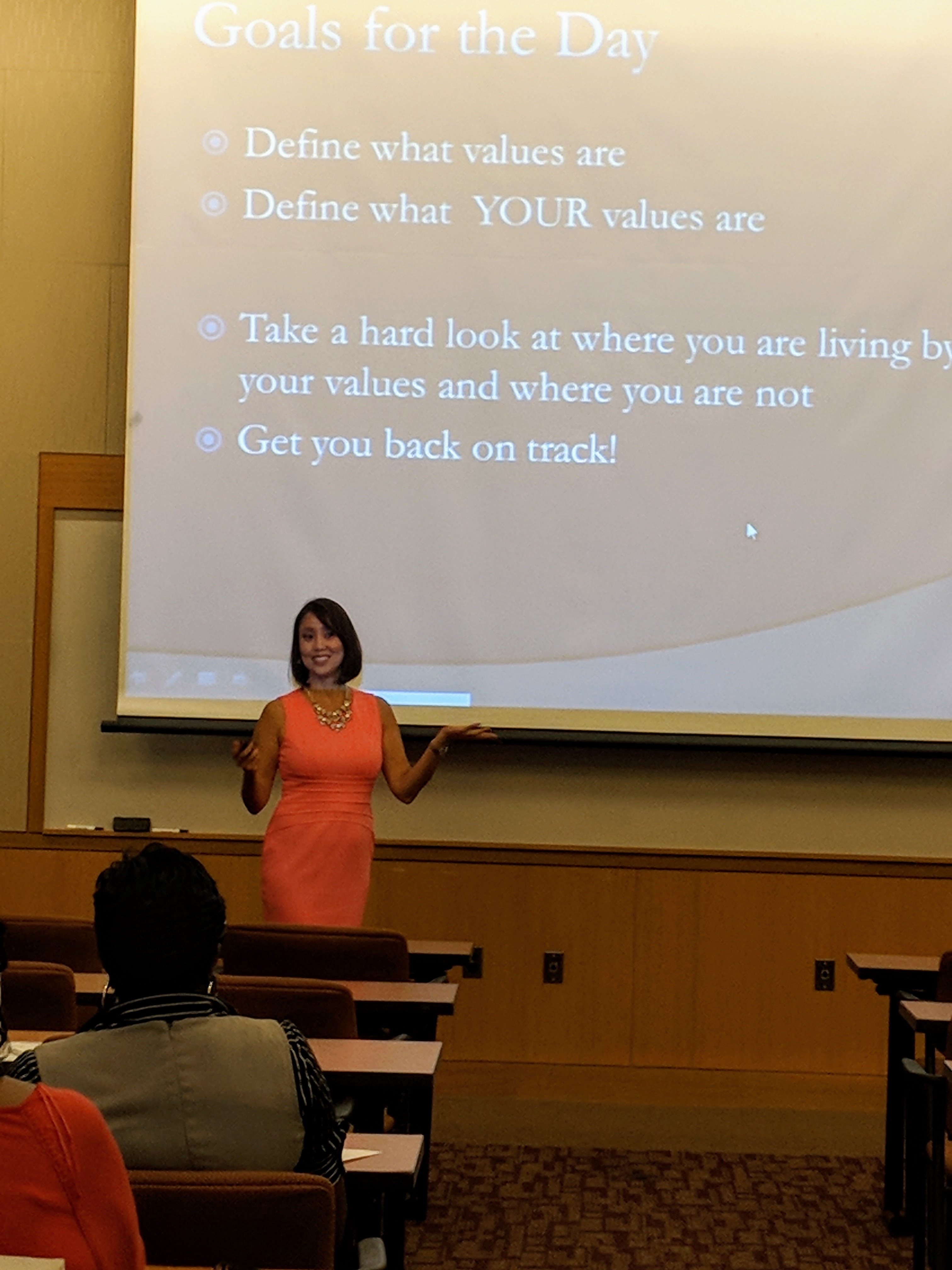
Recovery isn’t just about addressing burnout; it’s about reclaiming your life and career with clarity and purpose.
Career Coaching for Doctors
Career coaching can offer valuable support. It provides a structured space to explore challenges and find solutions. Coaches help in setting realistic goals and devising a plan to achieve them. With guidance, you can navigate burnout and build a more fulfilling career path. For more insights, check out this study.
Presence Under Pressure Techniques
Presence techniques teach you to remain calm under stress. These methods, rooted in performance arts, help in reconnecting with your body and voice. By practicing these techniques, you gain tools to manage pressure more effectively. This skill is vital in high-stakes environments where maintaining composure is crucial.
Medical Staff Workshops for Support
Workshops tailored for medical staff can enhance resilience and teamwork. They provide strategies to manage stress and foster a supportive work environment. Participating in workshops can lead to improved workplace harmony and reduced staff burnout. Engaging in these sessions creates a culture of support and collaboration. Explore more about healthcare professions here.
Frequently Asked Questions
What are the early signs of physician burnout?
Early signs include persistent fatigue, irritability, detachment from work, and emotional exhaustion. Noticing these can help you take early action.
How can career coaching help doctors?
Career coaching offers guidance and support, helping doctors set goals, manage stress, and find solutions to career challenges.
What are presence under pressure techniques?
These techniques involve skills to stay calm and focused under stress, often used in performance arts, and are beneficial for high-pressure medical environments.
What is compassion fatigue?
Compassion fatigue occurs when constant exposure to suffering leads to an emotional drain, reducing the ability to empathize.
How can medical staff workshops benefit healthcare workers?
Workshops provide strategies for stress management, improve teamwork, and create a supportive work environment, reducing burnout and fostering harmony.